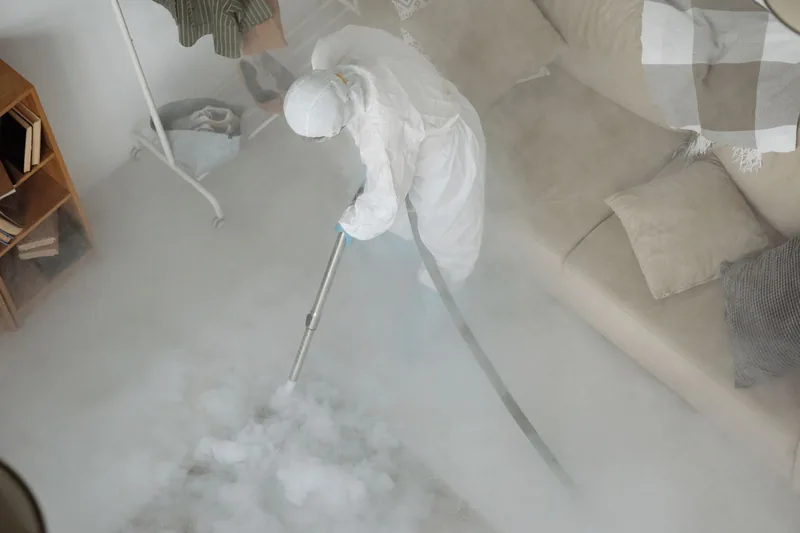
Biohazard Decontamination
Full decontamination of rooms, surfaces and air after infectious or hazardous exposure.
See biohazard decontaminationInfectious matter, including blood and bodily fluids, can be removed from your vehicle, business or home. Workers isolate the contaminated area, clean and disinfect it, then transport the resulting waste for proper disposal.
Biohazard cleanup means carefully controlling and removing blood, bodily fluids or other matter that could contain harmful microorganisms, then cleaning and disinfecting the affected surfaces.
Deaths, injuries, crime scenes, sewer backups, infectious illnesses and serious hoarding can all leave a biohazard. The affected place might be a home, apartment, hotel, workplace, outdoor space or vehicle. Cleanup identifies everywhere the material reached, takes out anything that cannot be cleaned, disinfects surfaces that can stay and shields nearby spaces during the work.
Biohazard cleaning is different from ordinary house cleaning. Trained technicians use protective equipment, controlled work zones and products chosen for the material involved. They follow the label contact time for EPA-registered disinfectants. Waste is sealed, labeled and moved under the rules that apply in your state, instead of being placed loose in household trash.
You hear what is affected, what can stay, what must be removed and which steps are proposed before cleanup begins.
Your situation is treated privately. Using unmarked vehicles, crews arrive discreetly and limit access to the affected area.
Your personal property is assessed with you whenever conditions make that possible. Important items are separated for cleaning, specialist care or safe return.
Available waste records, pictures, billing documents and the defined work scope can be arranged for your claim and property files.
You may need biohazard cleanup when attempting normal cleaning would risk contact with bloodborne pathogens, contamination or infectious material. Typical situations include:
Only a released scene can move forward to crime scene cleaning. It may include odor treatment, waste disposal, surface disinfection, blood cleanup and fingerprint powder removal.
Nearby belongings, carpet underlay, grout and gaps in flooring may be reached by blood. Treatment covers the affected area completely because a biohazard cleaner examines more than the visible stain.
Cleaning can focus on common rooms, high-contact areas and objects associated with the illness exposure, with a disinfectant chosen for the surface and organism.
Water in a sewage backup is Category 3 black water. Cleanup may include extraction, removal of wet porous materials, cleaning, disinfection and drying.
Your immediate concern is limiting exposure and avoiding any spread of contamination. Use these steps until professional cleanup has been arranged:
Call (888) 440-9227From one hard surface to absorbed fluids in several rooms, the possible scope makes published cleanup costs vary widely. A typical national figure from Fixr runs between $3,000 and $5,000 while its entire published span begins at $1,500 and ends at $25,000. For residential work, Yelp Costs publishes an average between $1,800 and $4,500. Scope cannot be assessed until the materials affected and disposal requirements are clear.
The figures shown are national ranges from published cost guides and are not based on an on-site visit. You learn what your property will cost after the on-site assessment and before any work begins.
Ask about cost: (888) 440-9227Insurance can cover biohazard cleanup if your policy includes the cause of the event. The deductible, coverage limits, exclusions and specific circumstances determine whether it applies.
Victims of violent crime can ask the Louisiana Crime Victims Reparations Board, supported by the Louisiana Commission on Law Enforcement, about crime scene cleanup. The program lists it among eligible expenses. Insurance is usually checked first.
Notify the insurance company of the event and ask about coverage for cleanup, damaged building components, personal property and restoration. Record how to reach the adjuster and retain the claim number.
Responsibility may vary according to the location, what caused the event, applicable rules and the rental agreement. Renters and property owners should photograph or document the area, then notify their insurers before relocating items.
Ask your insurance company which records it needs. A documented work scope, pictures, billing records and disposal paperwork can assist with the claim evaluation.
Planning begins with what the contaminant is, which materials came in contact with it and where it could have traveled. The steps control its spread as the space is prepared for safe use again.
Cleanup technicians assess affected and surrounding areas, distinguish porous from non-porous surfaces, document conditions and explain the proposed cleanup scope to you.
The work area is separated from clean rooms. Workers select exposure-appropriate personal protective equipment and may manage airflow to limit odor or particle travel.
Contaminated absorbent materials, such as carpeting, underlay, wallboard, insulation, mattresses or bare wood, may be removed and sealed in containers.
Disinfectant must contact the surface to work, so visible material is cleaned away beforehand. The finish determines which method and equipment are used.
Cleaned surfaces are treated with an EPA-registered disinfectant and kept wet for the full contact time printed on the product label.
The odor source comes out before air treatment. Selection may include HEPA air scrubbing or a different odor approach, according to occupancy, retained material and room conditions.
Waste receives packaging and labels that match its disposal path. Records can show which waste was taken away and where it went.
A final check follows cleaning of the work zone. You receive an explanation of what was cleaned, what was removed and what restoration work may still be needed.
Call at any time. A specialist in biohazard cleanup takes your call, explains each step and agrees on a start time with you.
Biohazards can be unsafe because infectious material, sharps and contamination beneath visible surfaces may be present. A quick surface wipe does not necessarily remove those risks.
Needles, broken glass and sharp metal can puncture a bag or glove. Each contaminated material must follow a suitable disposal route in the correct kind of container.
Hepatitis B, hepatitis C and HIV may be carried in blood. The CDC says hepatitis B can survive on surfaces for at least seven days, so dried blood still calls for careful cleaning and disinfection.
Contamination can travel below trim, through carpeting, into subfloor gaps and behind wall finishes. The affected area can extend beyond the mark that is visible.
Can you clean it yourself? Wearing disposable gloves, you may address a very small amount spilled on sealed, non-porous material by applying an EPA-registered disinfectant for every minute of label contact time. Avoid cleaning if fluid entered wood, carpet, furniture or drywall, if any sharps are involved, or if the boundary of contamination is uncertain.
The area size, material types and depth of contamination determine the time required. Cleaning a small hard-surface area can take a single work visit, but structural removal, several affected rooms or odor that persists may mean repeated visits followed by restoration.
| Scene | Typical time on site |
|---|---|
| Small surface area | Assessment, cleaning and disinfection may fit in one visit |
| One room with porous materials | Removal, cleaning and odor work may need more than one visit |
| Several rooms or structural contamination | Cleanup and restoration are planned in separate stages |
Effective odor work starts with locating its source and taking that material out. Paint, fragrances and topical sprays will not fix fluid absorbed by subfloors, carpet padding, walls, furnishings or other contents. Inspection of these locations comes before choosing any air treatment.
Once the source is gone and surfaces are clean, HEPA air scrubbers may collect particles suspended in the air. Options for lingering odor can include hydroxyl treatment, other methods or ozone used inside a controlled, unoccupied space. Conditions, materials and occupancy guide that decision. Returns and vents in the HVAC system are inspected if moving air may have spread odor nearby.
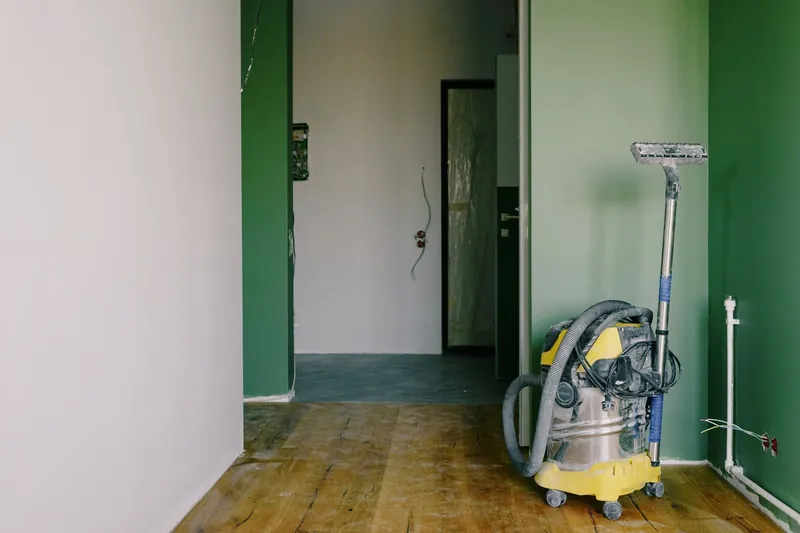
The OSHA Bloodborne Pathogens Standard, 29 CFR 1910.1030, covers training, protective equipment, exposure control and associated work practices where contact with blood is possible.
A disinfectant must be suitable for the target organism and surface. Label instructions cover required safety measures, dilution, pre-cleaning and the complete time the product must remain in contact.
Louisiana treats soaked materials from a biohazard scene as potentially infectious biomedical waste. Louisiana Department of Health sanitary code rules control how it is packaged, stored and transported, so it cannot go in household trash.
Louisiana has no statewide medical examiner. Each parish has an elected coroner who investigates deaths involving violence, accidents or suspicious circumstances. Cleanup starts after police or the coroner release the scene.
The full biohazard cleanup guide covers what is cleaned or removed, odor and air quality work, and the rules that apply in Louisiana and Plaquemines Parish.
Read the full biohazard cleanup guide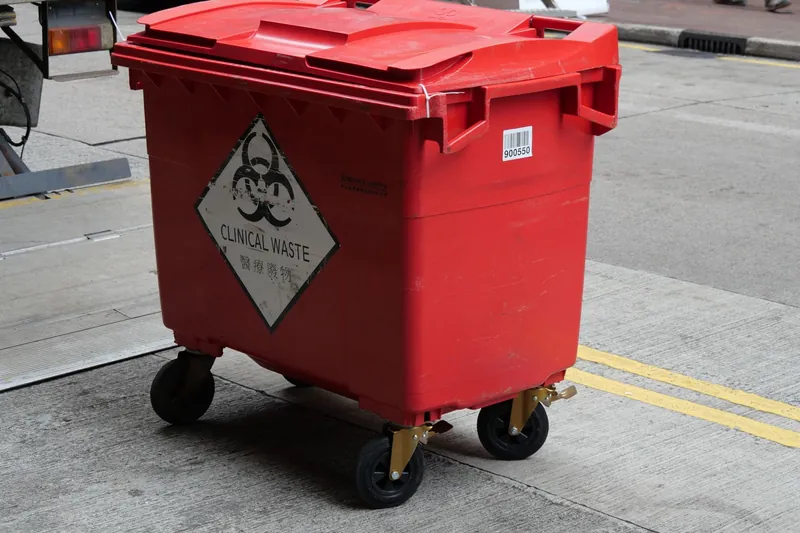
Planning for access, containment and cleanup can depend on local population, housing and entry conditions.
In an area where 100.0% of households rent, cleanup planning should identify who can authorize work on flooring, walls, and fixtures.
The median home in New Orleans Station was built in 1988, so cleanup may involve common drywall, carpet, and sheet flooring assemblies.
The local senior population includes 0 people living alone, and each unattended event calls for discreet, respectful cleanup planning.
At 62.0% single-family housing, crews should confirm entrances, neighboring units, and ventilation before setting the cleanup boundary.
Ask on the call about cleanup options for neighboring communities and ZIP codes.
Full decontamination of rooms, surfaces and air after infectious or hazardous exposure.
See biohazard decontamination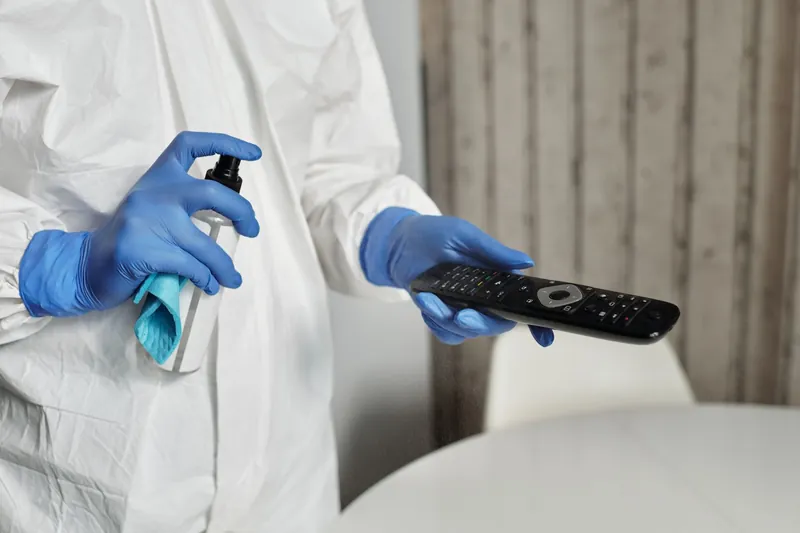
A contaminated space is restored to safe use through biological remediation and contaminant removal.
See biohazard remediation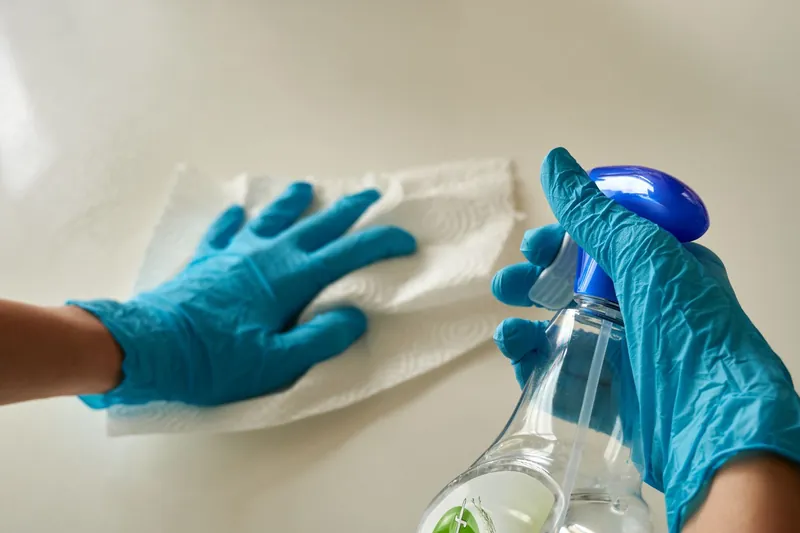
Carpet, solid floors, walls and furnishings receive blood cleanup that includes safe disposal.
See blood cleanup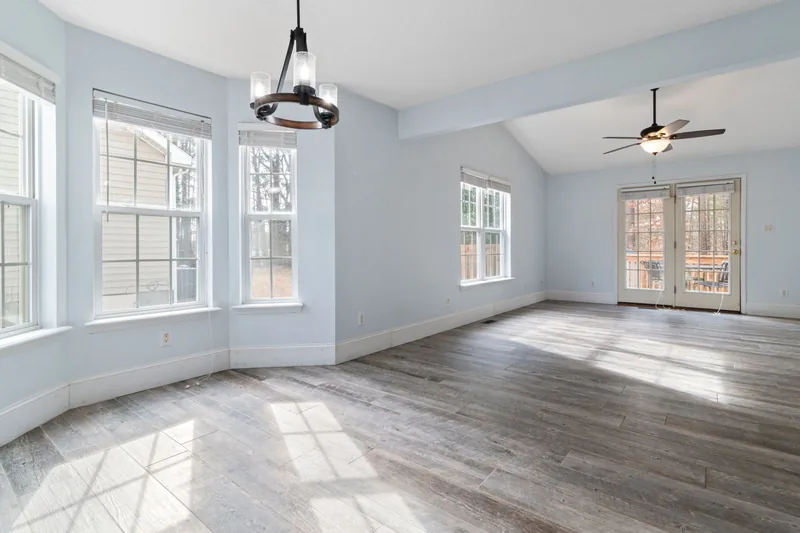
Cleanup after an undiscovered death includes odor control and the effects of days of decomposition.
See unattended death cleanup
Trauma scene cleanup after accidents, injuries and violent events.
See trauma scene cleanup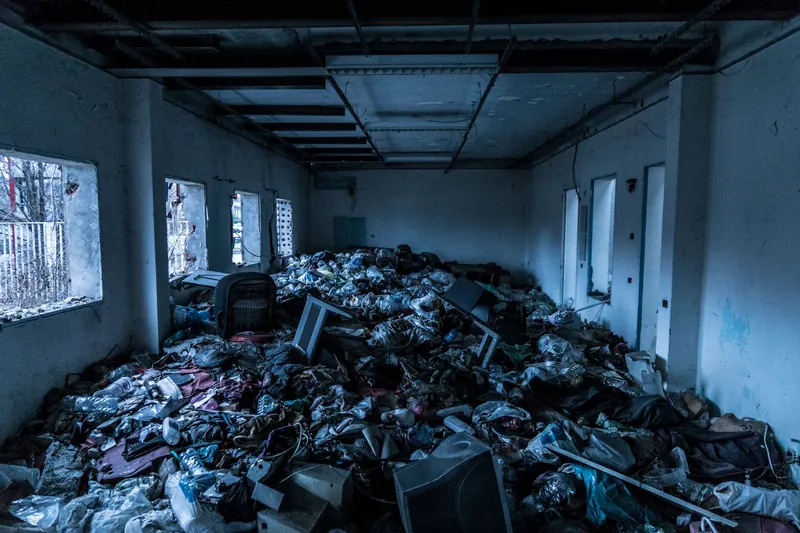
Deep cleaning, respectful sorting and removal are all part of hoarding cleanup.
See hoarding cleanup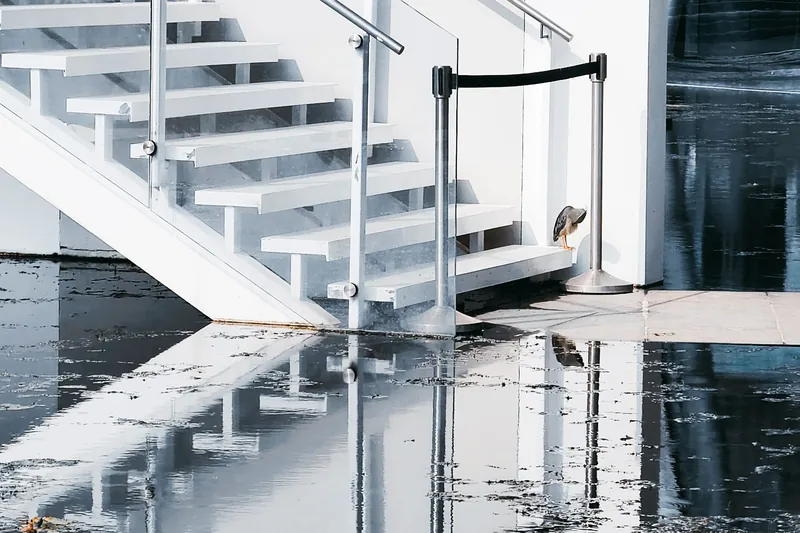
Disinfection and drying follow sewage cleanup of Category 3 black water from raw sewage.
See raw sewage cleanup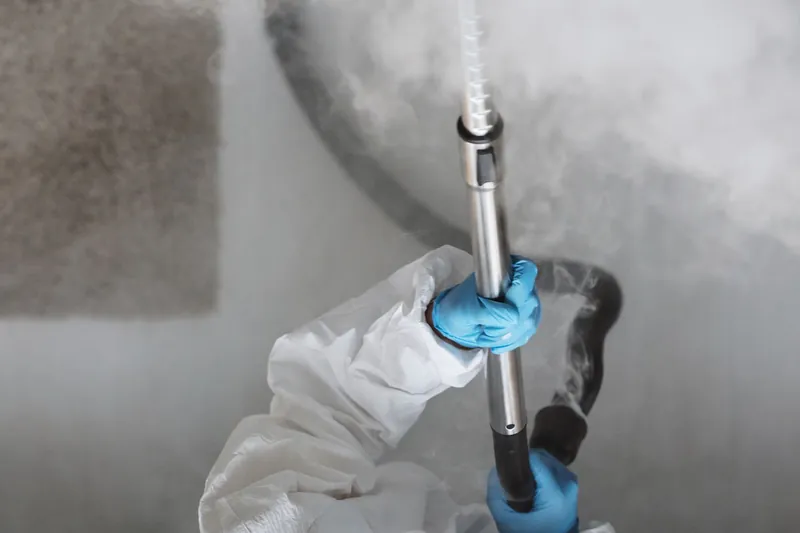
All surfaces receive full coverage with EPA-registered products for infectious disease disinfection.
See infectious disease disinfectionYes, when the odor source is found and removed. Cleanup may require taking out contaminated carpet, pad, drywall, furniture or other porous material before treating the air. HEPA air scrubbing or a different appropriate odor treatment can follow cleaning and disinfection, with checks of adjacent vents when needed.
A biohazard is biological material that may threaten human health. Inside a property, you may encounter biohazards such as blood, bodily fluids, sewage, human waste, used needles or material affected during some infectious disease events. Risk varies with the substance involved, the area reached and any absorption into porous material.
Removal of the deceased is completed by the funeral home or medical examiner, not cleanup of the affected room. Once officials release the scene, arranging death cleanup falls to the owner, relatives, landlord or another person responsible for the property. A biohazard cleaning company can address bodily fluids, contaminated materials, odor and disposal without requiring loved ones to enter the affected room.
How long cleanup takes is affected by surface materials, room count and the extent of fluid travel. A minor cleanup involving only a hard surface might take a single visit. More than one visit may be needed when cleanup covers multiple rooms, drywall, carpet, subflooring or a lingering odor. Rebuilding removed finishes happens after remediation and may follow a separate schedule.
It may, when the event that caused the contamination is covered by your policy. Your policy limits, exclusions and deductible remain in effect, and coverage is not assured. Call the insurance company, describe the event, get a claim number and ask what documentation the adjuster wants before damaged materials are moved.
Your first step is to leave the affected area and keep everyone else, including animals, outside. Avoid touching the material or using a broom or vacuum on it. Contact emergency services when someone faces danger, and do not enter an active scene until law enforcement releases it. If contamination goes beyond a tiny spill on a hard surface, seek professional biohazard cleanup.
Crews carry out respectful, discreet biohazard cleanup, arrive in unmarked vehicles and take calls 24 hours a day.